


Everything You Need to Know About Dental Root Canals
- Prachi Sontakke

- Dec 5, 2025
- 3 min read
Dental root canals often get a bad reputation, but they play a crucial role in saving teeth that would otherwise need extraction. If you experience persistent tooth pain or sensitivity, understanding what a dental root canal involves can help ease your concerns and prepare you for the procedure. This post explains the process, benefits, and what to expect before and after treatment.
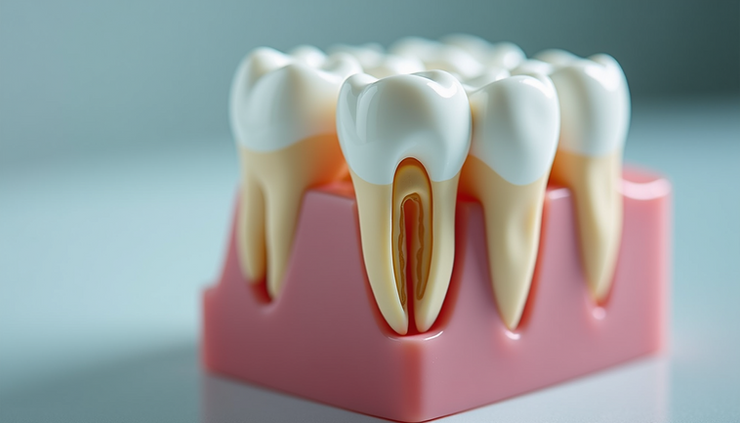
What Is a Dental Root Canal?
A dental root canal is a treatment designed to repair and save a tooth that is badly decayed or infected. Inside each tooth is a soft tissue called the pulp, which contains nerves and blood vessels. When this pulp becomes inflamed or infected due to deep decay, cracks, or trauma, it can cause severe pain and lead to abscesses.
The root canal procedure removes the damaged pulp, cleans and disinfects the inside of the tooth, and then fills and seals it. This stops the infection and protects the tooth from further damage.
Signs You Might Need a Root Canal
Recognizing the symptoms early can prevent complications. Common signs include:
Persistent tooth pain, especially when chewing or applying pressure
Sensitivity to hot or cold that lingers after the stimulus is removed
Swelling and tenderness in nearby gums
Darkening or discoloration of the tooth
A recurring pimple or bump on the gums near the affected tooth
If you notice these symptoms, it’s important to see a dentist promptly. Delaying treatment can lead to more serious infections or tooth loss.
The Root Canal Procedure Step-by-Step
Understanding the steps can reduce anxiety about the treatment:
Examination and X-rays
The dentist examines the tooth and takes X-rays to see the extent of infection and the shape of the root canals.
Local Anesthesia
The area around the tooth is numbed to ensure the procedure is pain-free.
Access Opening
The dentist drills a small hole in the tooth to reach the pulp chamber.
Pulp Removal and Cleaning
Using specialized tools, the infected pulp is removed. The canals are cleaned and shaped to prepare for filling.
Filling the Canals
The empty canals are filled with a rubber-like material called gutta-percha to seal them.
Temporary or Permanent Filling
A temporary filling may be placed until a permanent crown or filling is installed to restore the tooth’s strength.
What to Expect After a Root Canal
After the procedure, some mild discomfort or sensitivity is normal for a few days. Over-the-counter pain relievers usually manage this well. It’s important to:
Avoid chewing hard foods on the treated tooth until fully restored
Maintain good oral hygiene to prevent infection
Attend follow-up appointments to monitor healing and place a permanent crown if needed
Most root canal treatments have a high success rate and allow you to keep your natural tooth for many years.

Benefits of Choosing a Dental Root Canal
Choosing a dental root canal over extraction offers several advantages:
Preserves your natural tooth
Keeping your tooth helps maintain proper chewing function and jawbone health.
Prevents shifting of surrounding teeth
Removing a tooth can cause neighboring teeth to shift, leading to bite problems.
Less costly and invasive than implants or bridges
Root canals usually cost less and require fewer visits than tooth replacement options.
Relieves pain caused by infection
The procedure removes the source of pain and infection, improving overall oral health.
Common Myths About Root Canals
Many people avoid root canals due to misconceptions. Here are facts to consider:
Myth: Root canals are painful
The procedure is performed under anesthesia and is no more painful than getting a filling.
Myth: Extraction is better than a root canal
Extracting a tooth can lead to more complex dental problems and additional costs.
Myth: Root canals cause illness
Modern root canal treatments are safe and do not cause systemic health issues.
When to Talk to Your Dentist About a Root Canal
If you experience any of the symptoms mentioned or have a tooth injury, schedule a dental visit. Early diagnosis improves treatment outcomes. Your dentist can determine if a dental root canal is the best option or if other treatments are needed.


Comments