


Root Canal Treatment: Benefits, Process, and Aftercare Tips
- Prachi Sontakke

- Jan 29
- 3 min read
A toothache can disrupt daily life, making eating, speaking, and even sleeping difficult. Often, the cause is an infection deep inside the tooth, where nerves and blood vessels reside. Root canal treatment offers a way to save a damaged tooth and relieve pain without extraction. Understanding the benefits, what to expect during the procedure, and how to care for your tooth afterward can help you feel more confident if you ever need this treatment.

Why Root Canal Treatment Matters
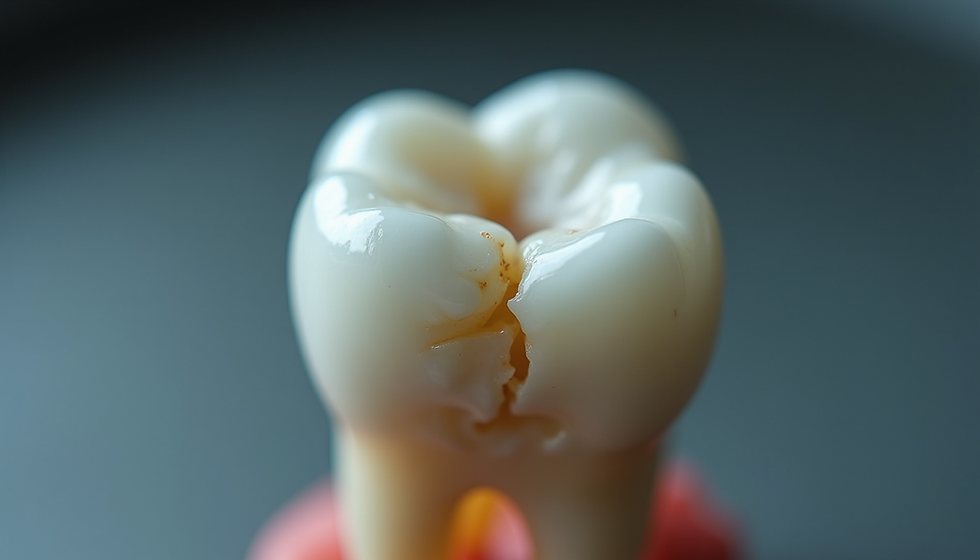
When the pulp inside a tooth becomes infected due to decay, cracks, or trauma, it can cause severe pain and swelling. Without treatment, the infection may spread, leading to abscesses or tooth loss. Root canal treatment removes the infected pulp, cleans the inside of the tooth, and seals it to prevent further infection.
Key benefits include:
Pain relief: Removing the infected tissue stops the source of pain.
Tooth preservation: The procedure saves your natural tooth, maintaining your bite and jawbone health.
Improved oral health: Treating infection prevents it from spreading to other teeth or gums.
Cost-effective: Saving a tooth often costs less than extraction followed by implants or bridges.
Many people fear root canal treatment because of myths about pain or complexity. In reality, modern techniques make the procedure comfortable and efficient.
What Happens During Root Canal Treatment
The process usually takes one or two dental visits, depending on the tooth and infection severity. Here’s what to expect:
Examination and X-rays
The dentist examines the tooth and takes X-rays to see the extent of infection and shape of root canals.
Anesthesia
Local anesthesia numbs the tooth and surrounding area to ensure you feel no pain during the procedure.
Access opening
The dentist drills a small hole in the tooth’s crown to reach the pulp chamber and root canals.
Cleaning and shaping
Using tiny instruments, the dentist removes infected pulp and shapes the canals for filling.
Disinfection
The canals are cleaned with antibacterial solutions to kill remaining bacteria.
Filling
The empty canals are filled with a rubber-like material called gutta-percha to seal them.
Temporary or permanent restoration
A temporary filling may be placed until a permanent crown or filling is done to restore the tooth’s strength and appearance.
The entire process usually takes about 60 to 90 minutes per visit. You may feel some pressure but not pain.
Tips for Root Canal Aftercare
Proper care after treatment helps your tooth heal and prevents complications. Follow these guidelines:
Avoid chewing on the treated tooth until your dentist places a permanent crown or filling.
Take prescribed pain relievers or over-the-counter options like ibuprofen to manage mild discomfort.
Maintain good oral hygiene by brushing gently and flossing daily to keep the area clean.
Avoid very hot or cold foods for a few days, as the tooth may be sensitive.
Attend follow-up appointments to check healing and complete restoration.
If you notice swelling, severe pain, or signs of infection after treatment, contact your dentist promptly.

When Root Canal Treatment Is Recommended
Dentists suggest this treatment when the pulp is inflamed or infected but the tooth structure remains strong enough to save. Common reasons include:
Deep cavities reaching the pulp
Cracked or chipped teeth exposing nerves
Trauma causing pulp damage
Repeated dental procedures on the same tooth
Delaying treatment can lead to worsening infection, abscess formation, and tooth loss. Early intervention improves success rates and reduces discomfort.
What to Expect Long Term
A tooth treated with root canal therapy can last a lifetime with proper care. The permanent crown or filling protects the tooth from fractures and decay. Regular dental checkups help monitor the treated tooth and overall oral health.
Some patients may experience mild sensitivity for a few weeks, but this usually fades. If pain returns or worsens, it could indicate a problem requiring further treatment.


Comments