


Dental Crowns: Built to Protect, Designed to Last
- Prachi Sontakke

- Mar 17
- 3 min read
Updated: May 1
Dental crowns play a vital role in restoring damaged teeth and maintaining oral health. When a tooth suffers from decay, cracks, or extensive wear, a dental crown offers a strong, protective cover that helps preserve the tooth’s function and appearance. This post explores why dental crowns are built to protect and designed to last, highlighting their benefits, materials, and care tips to ensure longevity.
What Are Dental Crowns and Why Are They Important?
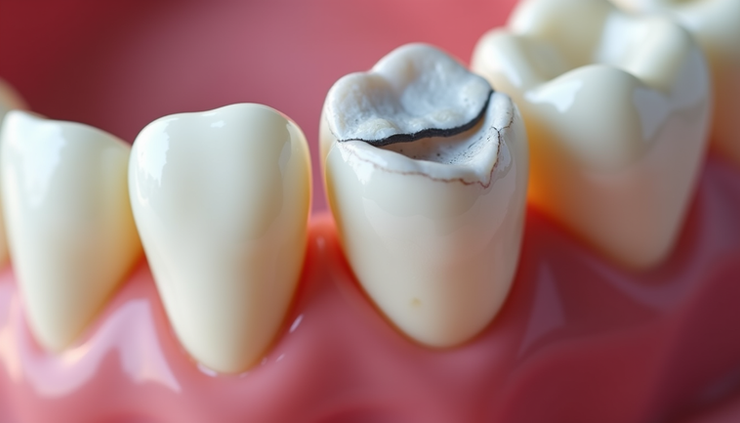
A dental crown is a custom-made cap that fits over a damaged tooth. It restores the tooth’s shape, size, strength, and appearance. Crowns are essential when a tooth is too weak to hold a filling or has undergone root canal treatment. They protect the tooth from further damage and allow normal chewing and speaking.
Crowns also improve the look of teeth that are discolored, misshapen, or worn down. By covering the entire visible part of the tooth, crowns provide a durable shield against daily wear and tear.
Materials Used for Dental Crowns
The durability and protection offered by dental crowns depend largely on the materials used. Common materials include:
Porcelain: Offers a natural tooth color and is ideal for front teeth. Porcelain crowns blend well with surrounding teeth but may wear down opposing teeth if too hard.
Ceramic: Similar to porcelain but often stronger. Ceramic crowns provide excellent aesthetics and are metal-free, making them suitable for people with metal allergies.
Metal: Gold or other metal alloys provide the strongest crowns. They withstand heavy chewing forces and rarely chip or break but are more noticeable, so they are often used on back teeth.
Porcelain-fused-to-metal (PFM): Combines strength and appearance. The metal base offers durability, while the porcelain overlay mimics natural tooth color.
Each material has pros and cons, and dentists recommend the best option based on the tooth’s location, function, and patient preferences.
How Dental Crowns Protect Teeth
Dental crowns protect teeth by:
Shielding weakened teeth from fractures and further decay.
Restoring bite strength so patients can chew comfortably.
Preventing tooth movement that can occur after damage.
Covering root canal-treated teeth, which become brittle and prone to cracking.
Improving tooth alignment and bite when combined with other dental work.
Because dental crowns cover the entire tooth, they act as a barrier against bacteria and physical damage.
What to Expect During the Crown Procedure
Getting a dental crown usually takes two visits:
Preparation: The dentist reshapes the damaged tooth by removing some enamel to make room for the crown. Then, an impression of the tooth is taken to create a custom crown.
Fitting: Once the crown is ready, the dentist checks its fit, color, and bite. Adjustments are made before permanently cementing the crown in place.
Temporary crowns protect the tooth between visits. The process is generally painless, with local anesthesia used during preparation.
Caring for Your Dental Crown to Make It Last
Dental crowns are built to protect and designed to last, but their lifespan depends on good care. Here are tips to keep crowns in excellent condition:
Maintain good oral hygiene by brushing twice daily and flossing around the crown.
Avoid chewing hard objects like ice, pens, or hard candies that can crack the crown.
Wear a mouthguard if you grind your teeth at night.
Visit the dentist regularly for check-ups and professional cleanings.
Avoid sticky foods that might loosen the crown.
With proper care, dental crowns can last 10 to 15 years or longer.

When to See a Dentist About Your Crown
Watch for signs that your dental crown may need attention:
Sensitivity or pain when biting down
A loose or wobbly crown
Visible cracks or chips in the crown
Gum irritation or swelling around the crowned tooth


Comments