


Is Your Tooth at Risk? When a Crown Becomes Necessary
- Prachi Sontakke

- Apr 14
- 3 min read
A damaged or weakened tooth can cause discomfort, affect your smile, and even lead to more serious dental problems. When a tooth is at risk, a dental crown often becomes the best solution to restore strength and function. But how do you know when a crown is necessary? This post explains the signs, reasons, and benefits of dental crowns, helping you understand when it’s time to protect your tooth with one.
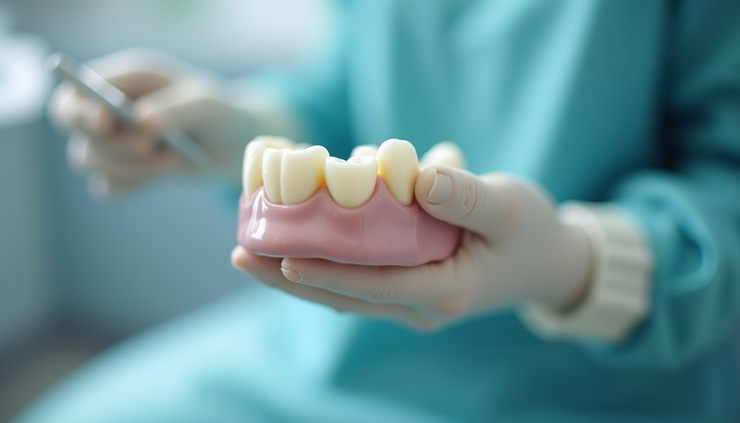
What Is a Dental Crown?
A dental crown is a custom-made cap that covers a damaged tooth completely. It restores the tooth’s shape, size, strength, and appearance. Crowns can be made from various materials such as porcelain, ceramic, metal, or a combination. Dentists recommend crowns when a tooth is too weak to hold a filling or when it has been severely damaged.
Crowns protect the tooth from further decay or injury and help maintain proper bite alignment. They also improve the look of teeth that are discolored or misshapen.
Signs Your Tooth Might Need a Crown
Knowing when a crown is necessary can save you from pain and more complex dental treatments later. Watch for these signs:
Large fillings or cracks: If a tooth has a large filling or visible cracks, it may not withstand normal chewing forces. A crown can hold it together.
Severe tooth decay: When decay destroys much of the tooth structure, a crown restores its strength.
Root canal treatment: Teeth that have had root canals become brittle and often require crowns to prevent breaking.
Worn down teeth: Teeth worn by grinding or acid erosion lose their protective enamel and may need crowns.
Broken or chipped teeth: Crowns cover and protect teeth that are broken or chipped beyond what a filling can fix.
If you experience pain when biting, sensitivity to hot or cold, or notice changes in your tooth’s shape, consult your dentist. They will assess if a crown is the best option.
How Crowns Protect and Restore Teeth
Crowns act like a shield for your tooth. Here’s how they help:
Strengthen weak teeth: Crowns distribute chewing forces evenly, reducing the risk of fractures.
Prevent further damage: By covering the entire tooth, crowns block bacteria and decay from entering cracks or damaged areas.
Restore function: Crowns allow you to chew and speak normally without discomfort.
Improve appearance: Porcelain and ceramic crowns can be matched to your natural tooth color, enhancing your smile.
For example, a patient with a cracked molar found it painful to chew. After placing a crown, the tooth was stabilized, and the pain disappeared. The crown also prevented the crack from worsening.

What to Expect During the Crown Procedure
Getting a crown usually takes two dental visits:
Preparation: The dentist reshapes the tooth by removing damaged areas and some enamel to fit the crown. They take impressions of your teeth to create a custom crown.
Temporary crown: A temporary crown protects the tooth while the permanent one is made.
Permanent crown placement: At the next visit, the dentist checks the fit and color of the crown, then cements it in place.
The process is generally painless with local anesthesia. You might feel some sensitivity after the procedure, but it usually fades quickly.
Caring for Your Crown
Crowns can last many years with proper care. Follow these tips:
Brush twice daily with fluoride toothpaste.
Floss gently around the crown to prevent gum disease.
Avoid chewing hard objects like ice or pens.
Wear a night guard if you grind your teeth.
Visit your dentist regularly for check-ups.
Crowns do not protect against gum disease, so maintaining good oral hygiene is essential.

When to Talk to Your Dentist About a Crown
If you notice persistent tooth pain, sensitivity, or visible damage, schedule a dental exam. Early treatment with a crown can prevent tooth loss and more expensive procedures like implants or bridges.


Comments