


Restore Your Smile with a Dental Crown for a Cracked Tooth
- Prachi Sontakke

- May 21
- 3 min read
A cracked tooth can cause discomfort, affect your smile, and lead to more serious dental problems if left untreated. Fortunately, a dental crown offers a reliable solution to protect and restore a damaged tooth. This post explains how dental crowns work, when they are needed, and what to expect during the treatment process.
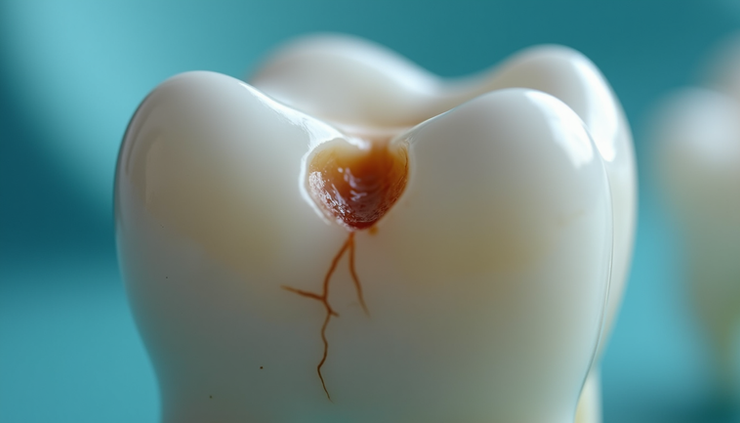
Why a Cracked Tooth Needs Attention
Cracks in teeth can happen from biting hard foods, accidents, or natural wear over time. Even small cracks can cause pain when chewing or sensitivity to hot and cold. If ignored, cracks may worsen, leading to tooth decay, infection, or even tooth loss.
A cracked tooth often cannot be fixed by simple fillings because the damage affects the tooth’s structure. This is where a dental crown becomes essential. It covers the entire tooth, holding it together and preventing further damage.
How a Dental Crown Protects Your Tooth
A dental crown is a custom-made cap that fits over the cracked tooth. It restores the tooth’s shape, strength, and appearance. Crowns are usually made from porcelain, ceramic, or metal alloys, chosen based on the tooth’s location and your preferences.
The crown acts like a shield, absorbing the pressure from chewing and protecting the tooth underneath. This reduces pain and prevents the crack from spreading. With a dental crown, you can eat, speak, and smile confidently again.
The Dental Crown Procedure Explained
Getting a dental crown typically involves two visits to the dentist. Here’s what to expect:
First Visit: Preparation
The dentist examines the cracked tooth and may take X-rays to check the root and surrounding bone. The tooth is then shaped to make room for the crown. If the crack is deep, a root canal might be needed first to remove damaged pulp.
Impression and Temporary Crown
After shaping, the dentist takes an impression of your tooth. This mold is sent to a dental lab where the crown is made. Meanwhile, a temporary crown protects the tooth.
Second Visit: Crown Placement
Once the permanent crown is ready, the dentist removes the temporary one and fits the new crown. Adjustments ensure a comfortable bite and natural look. The crown is then cemented in place.
The entire process usually takes a few weeks, but the result is a strong, natural-looking tooth that can last many years with proper care.
Caring for Your Dental Crown
A dental crown needs care similar to natural teeth. Here are some tips to keep your crown and surrounding teeth healthy:
Brush twice daily with fluoride toothpaste
Floss gently around the crown to remove plaque
Avoid chewing hard objects like ice or pens
Visit your dentist regularly for check-ups and cleanings
If you grind your teeth, consider a night guard to protect the crown
With these habits, your dental crown can last 10 to 15 years or longer.
When to See a Dentist About a Cracked Tooth
If you notice any of these signs, schedule a dental visit promptly:
Sharp pain when biting or chewing
Sensitivity to temperature changes
Visible crack or chip in the tooth
Swelling or tenderness around the tooth
Difficulty chewing on one side of your mouth
Early treatment with a dental crown can save your tooth and prevent more complex procedures.

A cracked tooth does not have to mean losing your smile. A dental crown offers a strong, lasting solution to restore function and appearance. If you suspect a crack in your tooth, consult your dentist to explore whether a dental crown is right for you. Protecting your teeth today helps maintain your smile for years to come.


Comments