
More Than Just a Cap: The Power of Dental Crowns

Dental crowns often get overlooked as just a simple "cap" for damaged teeth. Yet, they play a crucial role in restoring function, protecting dental implants, and improving smiles. Understanding the power of dental crowns helps patients make informed decisions about their oral health and appreciate the benefits beyond aesthetics.
What Are Dental Crowns and Why Are They Important?
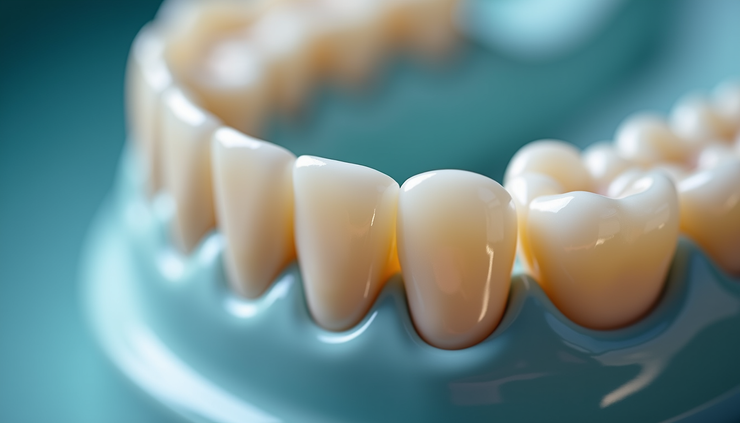
A dental crown is a custom-made cover that fits over a damaged or weakened tooth. It restores the tooth’s shape, size, strength, and appearance. Crowns are made from various materials, including porcelain, ceramic, metal, or a combination, depending on the patient’s needs.
Crowns protect teeth that have:
Large cavities or decay
Cracks or fractures
Undergone root canal treatment
Worn down from grinding or acid erosion
They also play a vital role in supporting dental implants by acting as the visible, functional part of the replacement tooth.
How Dental Crowns Work with Dental Implants
Dental implants replace missing teeth by anchoring a titanium post into the jawbone. This post acts like a tooth root. The dental crown is then attached to the implant, creating a natural-looking and fully functional tooth.
Crowns on implants must be durable and precisely fitted to:
Withstand chewing forces
Blend seamlessly with natural teeth
Protect the implant from damage or infection
This combination restores chewing ability and prevents bone loss in the jaw, which often happens after tooth loss.
Benefits of Dental Crowns Beyond Appearance
Crowns do more than improve how your smile looks. They offer several practical benefits:
Protect weakened teeth from further damage or decay
Restore bite and chewing function for better digestion and comfort
Prevent shifting of adjacent teeth that can cause misalignment
Support dental implants to replace missing teeth effectively
Improve speech clarity when missing or damaged teeth affect pronunciation
For example, a patient with a cracked molar may avoid extraction by getting a crown that holds the tooth together. Similarly, crowns on dental implants allow patients to eat normally without worrying about slipping dentures.
Choosing the Right Crown Material
Different materials suit different needs and budgets:
Porcelain or ceramic crowns offer the best natural look, ideal for front teeth
Metal crowns (gold or alloys) are very strong and last long, good for back teeth
Porcelain-fused-to-metal crowns combine strength and appearance but may show a dark line near the gum
Zirconia crowns are strong and tooth-colored, increasingly popular for both front and back teeth
Your dentist will recommend the best option based on your oral health, location of the tooth, and personal preferences.
Caring for Crowns and Dental Implants
Crowns and implants require good oral hygiene to last many years:
Brush twice daily with fluoride toothpaste
Floss carefully around the crown and implant to remove plaque
Avoid chewing hard foods like ice or hard candy that can crack crowns
Visit your dentist regularly for check-ups and cleanings
With proper care, crowns can last 10 to 15 years or longer. Dental implants often last even longer, making them a reliable long-term solution.

When to Consider a Dental Crown
You might need a crown if you experience:
Persistent tooth pain or sensitivity
Visible cracks or chips in a tooth
Large fillings that weaken the tooth structure
A tooth that has had root canal therapy
Missing teeth that you want to replace with dental implants
Early treatment with crowns can save teeth from extraction and improve oral health outcomes.
The Role of Crowns in Smile Makeovers
Crowns are often part of cosmetic dental treatments. They can:
Correct misshapen or discolored teeth
Close gaps between teeth
Restore worn or uneven teeth
When combined with dental implants, crowns help rebuild a complete, natural-looking smile that boosts confidence.
Dental crowns are much more than just caps. They protect, restore, and support teeth and dental implants, improving function and appearance. If you have damaged teeth or are considering dental implants, talk to your dentist about how crowns can help you maintain a healthy, strong smile for years to come. Taking action early can prevent more serious problems and keep your teeth working well.
Explore your options and schedule a consultation to learn how dental crowns can transform your oral health and confidence.


Comments